Custom Home Planning Guide for Texas: 30 Decisions Before You Break Ground
Use this custom home planning guide for Texas to make 30 key decisions on budget, land, builder, design, structure and selections before you break ground.
The most expensive decisions in a custom home are rarely made on the job site.
They're made months earlier, at a kitchen table, when you set the budget, pick the lot, choose the builder, and sign off on the plans.
Get those right, and construction tends to run smoothly. Get them wrong, and you pay for it in change orders, delays, and compromises.
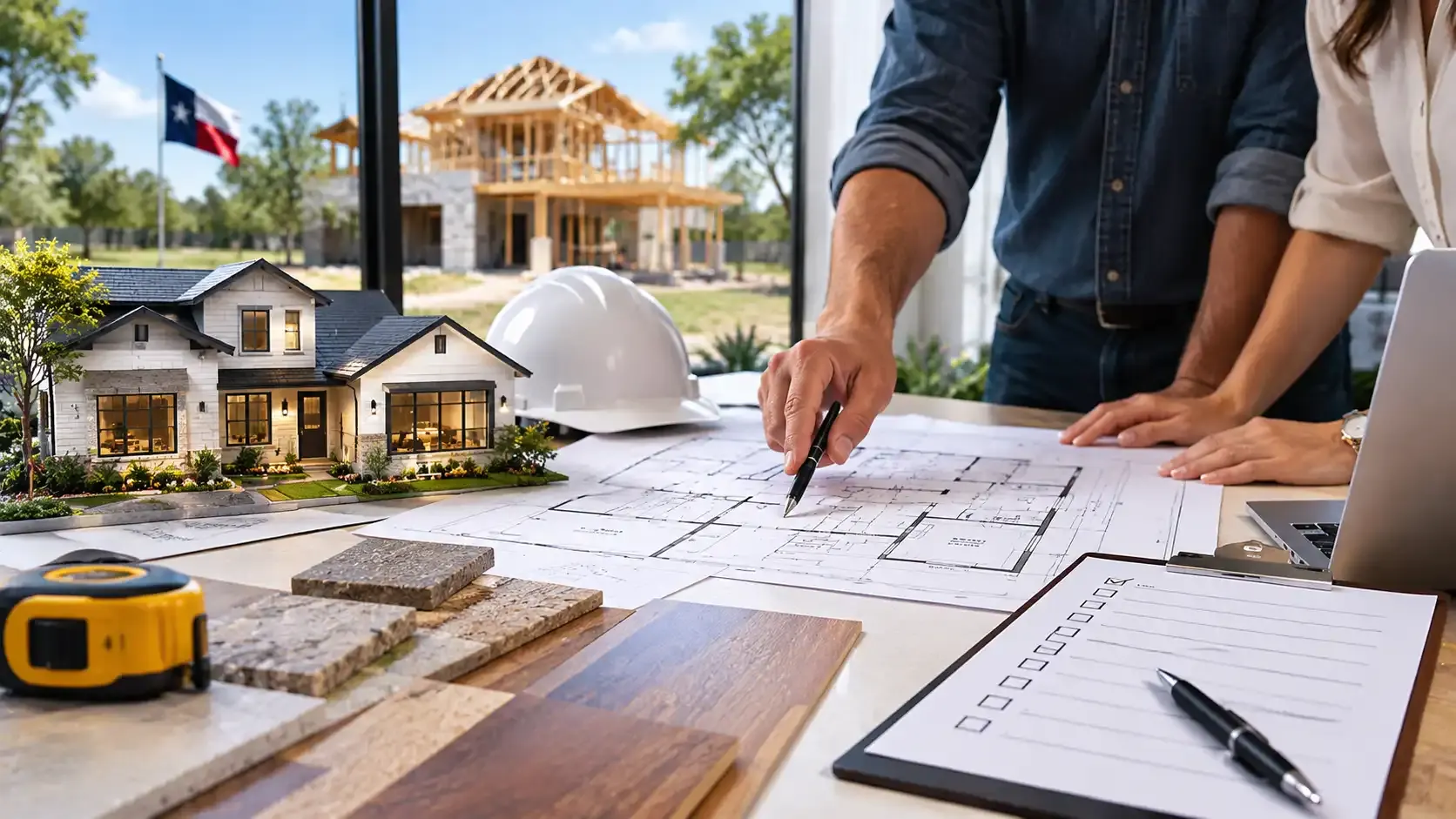
This custom home planning guide walks through the 30 decisions Texas homeowners should make before breaking ground, grouped into six phases: budget, land, team, design, structure, and selections.
Use it as a custom home planning checklist from your first idea to the day construction starts.
Quick answer: Before you break ground, lock your total budget and financing, confirm your lot is buildable, choose your builder and contract, finalize the floor plan, decide on structure and systems, and make your major finish selections. Every decision you finalize early becomes one less change order later.
You can also read: 9 Steps to Build a Custom Luxury Home in Texas
Why You Need a Custom Home Planning Guide
Planning a custom home involves hundreds of choices, and many depend on each other. The lot affects the foundation.
The foundation affects the budget. The budget affects the finishes. Making them in the wrong order is how projects stall.
There's also more at stake in Texas than many buyers expect.
The state doesn't license residential home builders, so you handle the planning and vetting. Weather, soil, and local rules vary widely from Houston's floodplains to the Hill Country's limestone.
And custom homes take time: contractor-built homes averaged 11.7 months from permit to completion in 2025, before design and permitting.
A clear plan keeps decisions in the right order and gives your builder what it needs to price and schedule accurately.
You can also read: Why Is Planning a Luxury Custom Home Overwhelming?
Phase 1: Budget and Financing Decisions (1–5)
1. Set a total project budget. Include land, site work, design and engineering, permits, construction, landscaping, furnishings, and a contingency, not just the price per square foot.
2. Decide on a contingency. Hold a reserve for unknowns such as rock, soil conditions, or design changes. Many owners plan for 5% to 10% of construction cost.
3. Choose how you'll pay. Decide between cash, a construction loan, or a combination, and whether a one-time or two-time close loan suits you. See financing options.
4. Plan for ongoing costs. Texas has no state income tax but relies on property taxes. A primary residence qualifies for a $140,000 school-tax homestead exemption, but a new home is appraised at close to full value in its first year.
5. Pick your tier. Decide whether you're building a custom home or a luxury home with architect-led design, premium structure, and complex site work. The tier sets your price range.
You can also read: 8 Ways to Prevent Cost Overruns in Luxury Home Construction
Phase 2: Land and Location Decisions (6–10)
6. Choose your area. Weigh commute, schools, lot sizes, and local rules. In Texas, city limits, counties, and HOAs all add their own requirements.
7. Choose your lot type. Flat suburban, hillside, lakefront, acreage or a teardown in an established neighborhood each bring different costs.
8. Confirm the lot is buildable. Order a survey and a geotechnical soil report before you close. Clay soils in North Texas and rock in the Hill Country both change foundation design.
9. Plan utilities and access. Confirm water, sewer, power, and driveway access. Lots near lakes may need septic systems; around Lake Travis, the LCRA regulates septic within 2,000 feet of the lake.
10. Check restrictions and hazards. Review deed restrictions, HOA design rules, setbacks, protected trees, and flood zones. In Houston, new homes in the 500-year floodplain must sit two feet above the 500-year flood level.
You can also read: 7 Steps to Evaluate Land Before Building a Custom Home in Texas
Phase 3: Team and Contract Decisions (11–15)
11. Choose a delivery model. A design-build firm handles design and construction together, while the traditional route hires an architect and builder separately. Compare design-build vs. traditional.
12. Choose your builder. Shortlist three to five builders with recent homes like yours, tour finished homes and active sites, and call references.
13. Choose a contract type. Fixed-price, cost-plus, and guaranteed maximum price contracts divide risk differently. Compare contract types.
14. Set realistic allowances. Interior finishes are the largest stage of construction cost in NAHB's survey of typical new homes. Base allowances on products you've actually priced.
15. Agree on payments and communication. Tie payments to milestones, require lien waivers with each draw, and agree on a day-to-day contact and update schedule.
You can also read: How to Choose the Right Custom Home Builder in Austin
Phase 4: Design and Layout Decisions (16–20)
16. Define how you live. List how many bedrooms, offices, and gathering spaces you need, how often you host, and how long you plan to stay.
17. Decide between open and zoned living. Open plans feel spacious; zoned plans give privacy for work, family, and guests. See open vs. zoned living.
18. Place the primary suite. A ground-floor primary suite supports aging in place. Decide now, because moving it later means a major renovation.
19. Plan for work, guests, and family. About 26% of U.S. paid workdays were worked from home in mid-2026, so plan quiet offices. If parents may live with you, consider multi-generational homes.
20. Orient the home and outdoor spaces. Position large windows for views without heavy west sun, and plan covered terraces, pools, and outdoor kitchens with the house, not after it.
You can also read: Luxury Home Must Haves in 2026
Phase 5: Structure, Systems and Resilience Decisions (21–25)
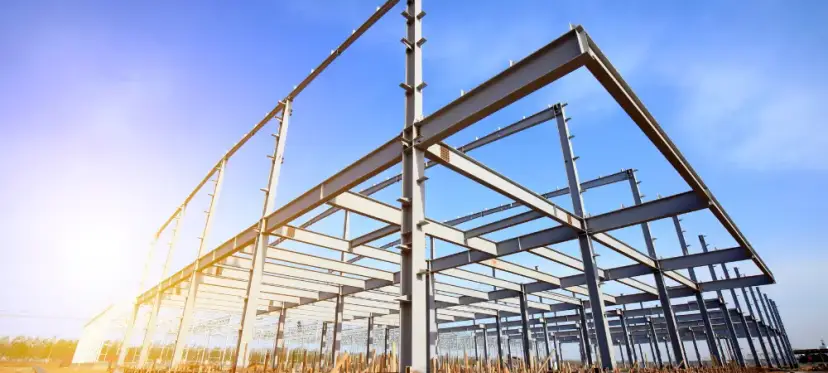
21. Choose your framing system. Wood is common; steel framing resists rot, warping, and termites and supports long spans. Compare steel vs. wood framing.
22. Choose your roof. Texas hail makes impact ratings worth considering. The Texas Department of Insurance lists credits for impact-rated roofing, so ask your insurer before you decide.
23. Choose your windows. For most of Texas, ENERGY STAR calls for windows with a solar heat gain coefficient of 0.23 or less to limit heat coming through the glass.
24. Plan HVAC, insulation, and energy. Decide on zoned HVAC, insulation type, and solar or battery readiness.
25. Plan for outages and storms. Winter Storm Uri left close to 4.5 million Texas homes and businesses without power at its peak. Decide on backup power, drainage, and, in tornado-prone areas, a safe room. Read about drainage.
You can also read: 7 Smart Home Integration in Luxury Custom Builds in Texas
Phase 6: Selections and Technology Decisions (26–30)
26. Set your finish level by room. Decide where to splurge (kitchen, primary bath, main living) and where to save.
27. Select kitchen and bath essentials. Choose cabinetry, countertops, appliances, and plumbing fixtures early. These drive both budget and schedule.
28. Plan technology before drywall. Decide on networking, security, AV, lighting control, and EV charging so wiring goes in during construction.
29. Order long-lead items early. Windows, custom cabinetry, imported stone, and specialty fixtures can take months to arrive. Schedule them during design.
30. Plan your timeline and move. Agree on a realistic schedule with your builder, set selection deadlines, and line up interim housing with a buffer.
Your Texas Custom Home Planning Checklist at a Glance
Phase | Decisions | Decide before |
|---|---|---|
Budget and financing | 1–5 | Buying land |
Land and location | 6–10 | Closing on the lot |
Team and contract | 11–15 | Final design |
Design and layout | 16–20 | Construction drawings |
Structure and systems | 21–25 | Pricing and permits |
Selections and technology | 26–30 | Breaking ground |
Work through each phase in order. Decisions made early, such as budget, lot, and builder, shape everything that follows.
You can also read: 7 Things to Expect When Building a Luxury Custom Home
Common Mistakes When Planning a Custom Home in Texas
Buying land before checking it: a survey and soil report can save you from an expensive lot.
Budgeting by square foot only: site work, design fees, and permits add up fast.
Choosing a builder by price alone: low allowances often make bids look cheaper than they are.
Changing the design after construction starts: late changes are a leading cause of delays and overruns.
Leaving technology for later: opening finished walls to add wiring costs far more than planning it.
You can also read: 6 Steps to Choose the Right Custom Home Builder in Austin
How TX Sparks Luxury Homes Helps You Plan Your Custom Home in Texas
At TX Sparks Luxury Homes, planning comes first. As luxury custom home builders in Texas, we help clients work through these decisions in order:
Lot reviews and site selection guidance before you commit
Bespoke design with detailed 3D renderings, so decisions happen early
Steel framing, metal roofing, and premium window systems as part of how we build
Permits, interiors and construction under one accountable team
Our Project Blueprint is a guided intake that captures your budget, lot, and goals in one place. Browse our properties to see finished homes.
Conclusion: Using This Custom Home Planning Guide
A successful custom home is decided long before construction starts.
Use this custom home planning guide to work through all 30 decisions in order, from budget and land to structure and selections, and you'll break ground with a clear plan, a realistic budget, and far fewer surprises.
Ready to start planning? Book a consultation with TX Sparks Luxury Homes, or begin your Project Blueprint.
Frequently Asked Questions
1. What should a custom home planning guide include?
A custom home planning guide should cover budget and financing, land and location, choosing a builder and contract, design and layout, structure and systems, and finish selections. It should also show the order to make decisions in, since choices like the lot and budget shape everything that follows.
2. What is on a custom home planning checklist?
A custom home planning checklist covers your total budget and contingency, financing, lot feasibility, utilities and restrictions, builder and contract, allowances, floor plan, framing, roof, windows, HVAC, backup power, finishes, technology wiring, long-lead materials and your move-in timeline.
3. How long does planning a custom home take?
Planning a custom home, from budget and land through design and permits, often takes several months before construction starts. Construction itself averaged about 11.7 months for contractor-built homes in 2025. Making decisions early and in order is the best way to keep the overall timeline on track.
4. What is the first step in planning a custom home?
The first step in planning a custom home is setting a realistic total budget, including land, site work, design fees, permits, and a contingency. With a budget in place, you can evaluate lots, choose a builder, and design a home that fits both your life and your numbers.
5. Can I use a custom home planning guide if I already own land?
Yes. If you already own land, start a custom home planning guide with a lot review: survey, soil report, utilities, restrictions, and flood zone. Then set your budget around what the site needs and move on to choosing a builder, design, and selections.
6. When should I make finish selections on a custom home planning checklist?
Make major finish selections before construction begins, especially cabinetry, stone, windows, and fixtures with long lead times. Every selection you finalize early on your custom home planning checklist becomes a specification instead of an allowance, which protects your budget and schedule.