Open Floor Plans vs. Zoned Living: Which is Best for Luxury Homes?
For the better part of two decades, the "open concept" has been the undisputed heavyweight champion of Texas residential design.
At TX Sparks Luxury Homes, we’ve seen how removing walls creates the soaring, light-filled vistas that define modern luxury.
However, as our lives have become more complex, balancing remote work, multi-generational living, and the high-performance demands of the Texas climate, a counter-movement is gaining significant traction: Zoned Living.
If you are building or renovating a large home in the Lone Star State, the stakes are high.
You aren't just choosing where a sofa goes; you are deciding how your family will interact, how the Texas sun will illuminate your life, and how effectively you can cool 5,000+ square feet during a July heatwave.
In this guide, we dive into the data, the psychology, and the structural realities of Open Floor Plans versus Zoned Living to help you determine which architecture truly serves your lifestyle.
1. The Open Floor Plan: The Case for Connection
In many of our custom builds, the "Great Room," a seamless combination of kitchen, dining, and living area, remains the top request.
In large Texas homes, this creates a sense of "grandeur" and "indoor-outdoor flow" that is a hallmark of our brand's aesthetic.
The Benefits: Why We Love the Open Concept
- Enhanced Social Interaction and Flow: The primary driver for open living is connection. Research suggests that open layouts increase the time family members spend in the same physical space. For parents, it allows for "passive supervision"—the ability to prep dinner while keeping an eye on the family in the lounge area.
- Maximizing the Texas Sun: In a large home, interior rooms can often feel "landlocked" and dark. By removing interior walls, light from expansive floor-to-ceiling vistas can penetrate deep into the home's core. According to the National Renewable Energy Laboratory, increased daylight exposure can improve mood and regulate circadian rhythms, a vital benefit in the bright Texas environment.
- The Ultimate Entertaining Hub: Texas luxury is built on hospitality. An open layout eliminates "bottlenecks." Guests can move freely from the custom-lit kitchen island to the outdoor patio without feeling sequestered.
According to Zillow data, homes featuring "open floor plans" in their listings have historically sold for up to 7.4% more.
While this trend is stabilizing, the "airy" feel remains a high-value asset in the luxury market.
2. The Rise of Zoned Living: The Need for Boundaries
"Zoned Living" (or the "Broken Plan") isn't a return to the cramped rooms of the past.
It is a sophisticated approach that uses glass partitions, varying floor levels, and intentional transitions to create distinct "zones" for specific activities.
Here are the reasons that zoned living is trending in Texas:
1. Acoustic Privacy (The "Zoom" Factor)
The biggest grievance with open floor plans in large homes is noise. In a space where the dishwasher is running and the TV is on, there is nowhere for sound to "die."
Zoned living provides the acoustic insulation necessary for the modern "Work From Home" era.
2. Energy Efficiency in Climate Zones 2 & 3
Texas homes fall into specific energy climate zones.
Cooling a massive, 20-foot-ceiling Great Room is inherently inefficient as cold air settles and hot air rises to unreachable heights. Zoned living allows for precise HVAC control.
By closing off specific zones, homeowners can reduce energy consumption by up to 20% through smart thermal management.
3. Aesthetic "Containment"
Let’s be honest: kitchens can be messy. In an open plan, the prep work for a gala is visible from the front door.
Zoned living, especially when utilizing a "scullery" or "dirty kitchen," allows for functional mess to stay contained, preserving the visual tranquility of your formal areas.
3. Comparison Matrix: At a Glance
| Feature | Open Floor Plan | Zoned Living |
|---|---|---|
| Social Feel | Highly Collaborative | Individualized & Focused |
| Noise Level | High (Echo/Travel) | Controlled / Dampened |
| Maintenance | Hard to hide clutter | Easier to "zone" messes |
| Energy Costs | Higher (One large volume) | Lower (Heated/Cooled by use) |
| Resale Value | High (Broad Appeal) | Rising (High-End Specialty) |
4. The Psychological Impact: Prospect and Refuge
Architecture is about how a space makes you feel.
Environmental psychology suggests humans need both "prospect" (the ability to see their surroundings) and "refuge" (the sense of being protected).
A purely open plan can feel "exposure-heavy," preventing true relaxation. Conversely, a home that is too partitioned can feel isolating.
At TX Sparks, we often advocate for a Hybrid Approach to satisfy both biological needs.
5. The TX Sparks "Hybrid" Strategy
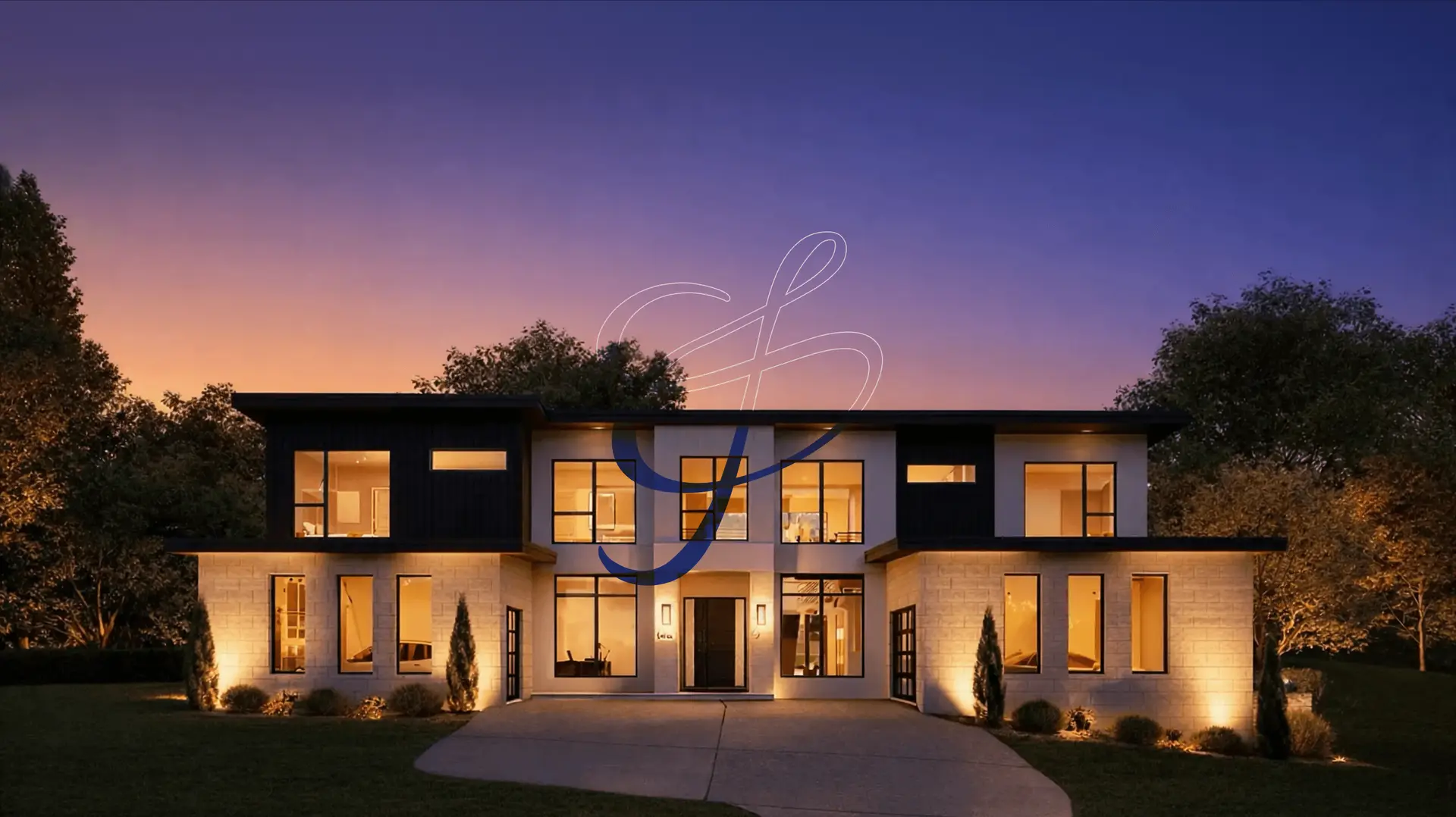
You don’t have to choose a side. Many of our recent projects, like the Bluewater Residence, utilize "flexible zoning" to offer the best of both worlds.
How to Achieve Hybrid Harmony:
- Crittall (Glass) Walls: These black-framed partitions maintain visual "openness" and light flow while providing a physical barrier for sound.
- Double-Sided Fireplaces: A classic Texas feature that defines the transition from dining to living without blocking the view.
- Pocket or Barn Doors: Large-scale sliding doors allow you to "open" the house for a party and "close" it for a focused work day.
- Sunken Living Rooms: Using a change in floor elevation creates a clear psychological boundary for a "zone" without using a single wall.
6. The "Large Home" Caveat: Scalability Matters
In a small apartment, an open plan is mandatory to avoid claustrophobia. In a large home, you have the luxury of square footage and a responsibility to define it.
A common mistake in large-scale open plans is "Furniture Island" syndrome, where furniture feels lost in a sea of hardwood.
Data from interior design surveys suggests that rooms with clearly defined boundaries (even if only through lighting and rugs) are perceived as 30% "cozier" by inhabitants.
7. Financial Considerations: Resale and ROI
The Texas luxury market is currently in a state of flux regarding floor plans:
- The Millennial Shift: Buyers now prioritize dedicated, soundproofed office space. A home with no "quiet zones" can be seen as a liability.
- Multi-Generational Living: With more families housing aging parents, zoned living offers the privacy-within-a-home essential for long-term comfort.
A home that offers a grand common area complemented by specialized private zones (soundproofed offices, cozy libraries, separate prep kitchens) currently commands the highest premium in the Dallas and Austin markets.
Conclusion: Making the Choice for Your Family
There is no "correct" answer; only the one that fits your family's rhythm.
If your life is defined by constant collaboration and hosting large, informal gatherings, the Open Floor Plan remains your best ally.
However, if your household includes professionals who require silence or a desire for a home that feels "curated" rather than "exposed," Zoned Living is the superior choice.
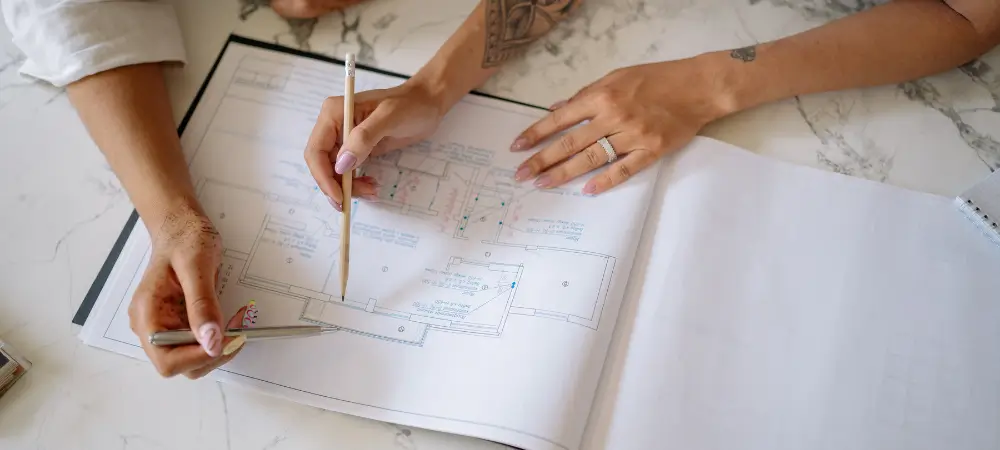
Before you finalize your blueprints with us, track your family's movement for one week.
Where do they naturally gather? Where do they go to hide? Your floor plan should be a reflection of those movements, not a constraint upon them!