7 Steps to Finance a Custom Luxury Home in Texas in 2026
Learn the key steps to finance a custom luxury home in Texas, from budgeting and lender selection to construction loans, approvals, and funding.
Building your dream home in Texas is an exciting journey.
But let's be honest, it can also feel overwhelming once you start looking at the numbers.
Between land acquisition, construction draws, and the eventual mortgage, financing a custom luxury home isn't as simple as walking into a bank and signing on the dotted line.
The good news? Texas remains one of the most attractive states for building a custom luxury home.
With no state income tax and booming metros like Austin, Dallas, Houston, and San Antonio, it's no surprise that high-net-worth buyers are choosing to build rather than buy off the shelf.
Builders like TX Sparks Luxury Homes are seeing this firsthand, with active luxury communities in Southlake, McKinney, and Lago Vista, Texas. Still, financing a custom build calls for a different playbook than a standard mortgage.
In this guide, we'll walk through what you need to know, from loan types to lender requirements, so you can move forward with clarity and confidence.
Why Custom Luxury Home Financing Is Different
When you buy an existing home, the lender finances a tangible, already-built asset they can inspect and appraise.
A custom home, on the other hand, doesn't exist yet. As a result, lenders must evaluate your builder, your plans, your budget, and your ability to manage a project that could take a year or more to complete.
On top of that, luxury builds usually exceed conventional loan limits.
In Texas, the 2026 conforming loan limit sits at $832,750 for a single-family home in every county statewide.
Anything above that threshold is classified as a jumbo loan, with its own rules and qualification standards.
Since most custom luxury homes for sale in Texas land well above that number, understanding jumbo financing becomes essential rather than optional.
You can also read: Hidden Construction Details That Protect Your Investment.
Step 1: Know What "Custom Luxury" Really Costs in Texas
Before you can figure out how to finance your home, you need a realistic sense of what it will cost to build. Pricing varies by region, design complexity, and finish level.
Here's a general breakdown of custom construction costs across major Texas metros in 2026:
Houston metro: Custom builds typically run $275 to $500 per square foot in urban hubs, with luxury builds in River Oaks or Memorial regularly exceeding $500 once imported materials and smart-home integration are factored in.
Dallas-Fort Worth: Entry-level custom homes start around $180 to $250 per square foot, while luxury builds in Westlake, Southlake, and Vaquero often reach $400 to $600-plus.
Austin and Hill Country: These markets skew toward the higher end of the state range, driven by strong demand and premium lot pricing.
Suburban regions statewide: Expect $250 to $400 per square foot for a well-appointed custom home outside major urban centers.
To put that into perspective, a 5,000-square-foot luxury custom home in a premium DFW suburb could easily land between $2 million and $3 million in construction costs alone, before factoring in land, site development, permits, and landscaping.
Since these extras are usually billed separately from the per-square-foot estimate, it's smart to build a cushion of 15 to 20 percent into your total budget.
Worth noting: build type affects both cost and financing.
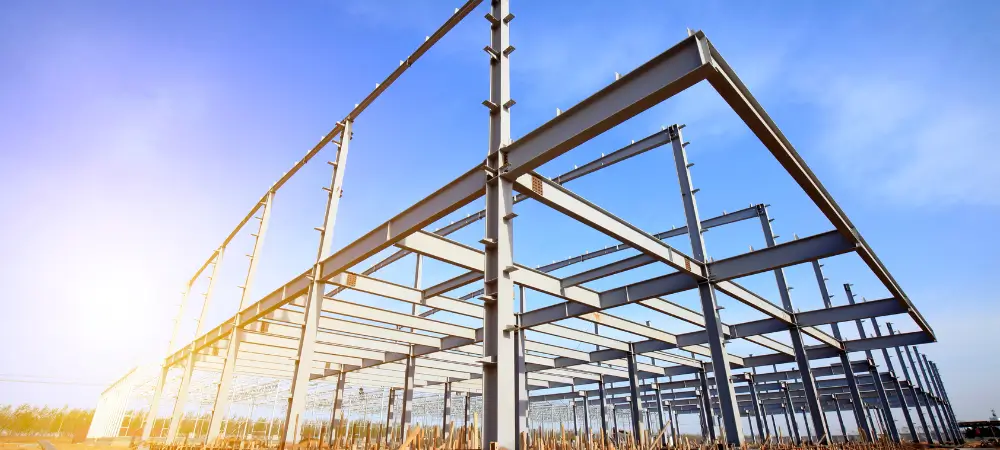
Texas custom home builders like TX Sparks Luxury Homes use Light Gauge Steel (LGS) framing rather than traditional wood framing, which adds structural durability and energy efficiency.
Since lenders factor construction quality and expected lifespan into their risk assessment, working with a builder known for engineering-grade construction can work in your favor during underwriting.
You can also read: Why Engineering Matters More Than Interior Finishes in Luxury Homes.
Step 2: Understand Your Financing Options
Once you have a realistic budget, the next step is choosing the right financing structure.
Most custom luxury home buyers in Texas rely on one of the following approaches.
Construction-to-Permanent Loans
This is the most common path for custom home financing.
A construction-to-permanent loan combines two phases into a single closing: the construction phase, where funds are released in draws as building milestones are completed, and the permanent phase, where the loan converts into a traditional mortgage once construction wraps up.
The appeal is simplicity. You close once, lock your rate early (or shortly before conversion, depending on the lender), and avoid paying two sets of closing costs.
As of 2026, these loans through traditional banks typically carry rates between 6.5 percent and 9 percent, with strong borrowers landing toward the lower end.
Stand-Alone Construction Loans
Some buyers prefer a stand-alone construction loan, which covers only the building phase and requires a separate mortgage once the home is finished.
This offers more flexibility, particularly if rates might shift favorably before construction wraps up, but it means two closings and two sets of fees.
Rates here run slightly higher, generally 7 percent to 9 percent for well-qualified borrowers.
Jumbo Construction Loans
Because most custom luxury homes in Texas exceed the $832,750 conforming limit, you'll likely need a jumbo construction loan.
These function similarly to standard construction loans but come with stricter underwriting: a credit score of 700 or higher (740-plus is preferred by many private and portfolio lenders), a down payment of 20% or more (though some Texas lenders now offer jumbo programs with as little as 10% down for highly qualified borrowers), significant cash reserves, and a lower debt-to-income ratio than conventional loans typically allow.
Portfolio and Private Bank Loans
If you have substantial assets but an unconventional income profile (common among entrepreneurs, investors, or retirees), a portfolio loan through a private bank may be your best fit.
These lenders keep the loan in-house rather than selling it on the secondary market, giving them flexibility to underwrite based on your full financial picture.
Private banking relationships often unlock preferred rates, though many require significant liquidity to qualify.
VA Jumbo Loans
If you're an eligible veteran with full entitlement, you may finance a custom luxury home with zero down, even above the conforming limit, since full entitlement carries no VA loan cap at all.
Those with partial entitlement can still use the $832,750 statewide limit as a benchmark for zero-down purchasing power.
You can also read: 7 Things to Expect When Building a Luxury Custom Home.
Step 3: Get Your Financial House in Order
Lenders scrutinize jumbo and construction applicants far more closely than conventional buyers. Before you apply, strengthen these key areas.
Credit score. Aim for at least 700, though 740 or higher opens the door to significantly better rates. Pull your credit reports early and address any errors or outstanding balances.
Cash reserves. Because construction projects can run into delays, lenders want to see you can weather unexpected costs without missing a payment. Six to twelve months of reserves is a common benchmark for jumbo borrowers.
Debt-to-income ratio. Conventional loans may allow a DTI up to 45 or even 50 percent in some cases, but jumbo lenders often cap it closer to 36 to 43 percent. Paying down existing debt before applying can make a real difference.
Down payment. Plan for at least 20 percent of the total project cost, though some lenders may require more for larger or higher-risk builds. The larger your down payment, the more leverage you'll have on rate and terms.
You can also read: Custom Home Investment in Texas: Building Long-Term Value.
Step 4: Choose the Right Builder and Lender Partnership
Here's something many first-time buyers overlook: your builder and lender need to work well together.
Lenders vet your builder's licensing, track record, and financial stability before approving draws, so a builder with a strong reputation can make approval smoother and faster.
Ask prospective builders which lenders they've worked with successfully, since an established relationship often means a more predictable draw schedule.
Likewise, favor lenders who specialize in construction and jumbo lending over a generalist bank that rarely handles custom builds.
Why TX Sparks Luxury Homes Makes Financing Easier
Choosing the right custom home builder in North Texas does more than shape your home's design; it directly affects how smoothly your financing process goes.
TX Sparks Luxury Homes builds custom luxury residences across Texas, with luxury communities currently active in Southlake, McKinney, and Lago Vista, and a process built around transparency at every stage.
Here's what that means for financing specifically:
Bespoke design paired with clear cost planning. Every TX Sparks Luxury Homes home starts with a discovery phase and detailed 3D renderings before a single permit is filed, giving you (and your lender) a clear scope of the project and its costs from day one.
Site selection support. Whether you already own land or need help finding the right lot, TX Sparks Luxury Homes can guide site selection, which matters since lenders often require confirmed land ownership or a purchase agreement before approving a construction loan.
Permits and approvals handled in-house. City approvals, plats, and permits are managed by their team, reducing the delays that can otherwise complicate a draw schedule.
Engineering-grade construction. Their use of Light Gauge Steel (LGS) framing and precision engineering appeals to lenders who view structural quality as a factor in long-term collateral value.
Realistic timelines. A typical TX Sparks Luxury Homes custom home takes 12 to 18 months from ground-breaking to delivery, which is useful information to share with your lender when structuring your construction loan term.
If you're planning a custom luxury property in the Southlake, McKinney, or Lago Vista areas, TX Sparks Luxury Homes can walk you through what your specific project might cost, which helps you and your lender align on financing before you break ground.
You can also read: 8 Tips to Choose the Right Custom Home Builder in Texas.
Step 5: Plan for the Draw Schedule
Unlike a traditional mortgage where you receive the full loan amount at closing, construction loans release funds in stages, known as draws, tied to completed milestones: site prep, foundation, framing and roofing, mechanical/electrical/plumbing rough-in, insulation and drywall, interior finishes, and finally the certificate of occupancy.
Each draw usually requires a lender-ordered inspection to confirm the work is complete before funds are released. This protects both you and the lender, but it also means cash flow planning matters.
Make sure you and your builder are aligned on how draws will be requested so the project doesn't stall waiting on paperwork.
Step 6: Factor in Property Taxes and Insurance
Texas has no state income tax, a major draw for high earners.
However, property taxes run higher than the national average, typically 1.6 percent to 2.2 percent of assessed value depending on the county.
On a $2.5 million custom home, that's an annual tax bill of $40,000 to $55,000, a figure that meaningfully affects your debt-to-income calculations.
Luxury homes also tend to carry higher insurance premiums, particularly in regions prone to hail, wind, or flooding, so build these costs into your plan early.
You can also read: Why Is Planning a Luxury Custom Home Overwhelming?
Step 7: Lock in Your Long-Term Mortgage Strategy
Once construction wraps up, your loan either converts automatically (in a construction-to-permanent structure) or you'll need a new mortgage.
As of 2026, average rates for a 30-year fixed mortgage hover around 7 percent, while 15-year fixed loans average closer to 6.2 percent.
Jumbo 30-year fixed loans can run slightly higher, though well-qualified borrowers with strong reserves often secure competitive pricing.
This is the moment to revisit your long-term financial goals.
Do you want the predictability of a fixed rate, or does an adjustable-rate mortgage make more sense if you plan to sell within a few years?
A conversation with your lender and financial advisor can help you choose the right structure.
You can also read: How to Avoid Cost Overruns in Custom Home Construction.
Conclusion
Financing a custom luxury home in Texas takes more planning than a traditional purchase, but it's far from out of reach.
By understanding your loan options, strengthening your financial profile, and partnering with experienced builders and lenders, you can turn your vision into a home built exactly the way you want it, without unnecessary financial stress.
The Texas market rewards buyers who plan ahead.
With the right team and financing strategy, your custom luxury home isn't just an aspiration; it's a plan already in motion.
Ready to Build Your Texas Dream Home?
Financing is only half the equation; the other half is partnering with a builder who can bring your vision to life with precision, transparency, and lasting craftsmanship.
TX Sparks Luxury Homes specializes in custom luxury residences across Southlake, McKinney, and Lago Vista, Texas, guiding you from site selection and design through permits, construction, and final delivery.
Get in touch with TX Sparks Luxury Homes today to start the conversation, or call (469) 598-2558 to discuss your project and get a tailored estimate. Your dream home is just one spark away.
Frequently Asked Questions
1. How much do I need to put down on a custom luxury home in Texas?
Most jumbo construction loans require a minimum down payment of 20 percent, though some Texas lenders now offer jumbo programs with as little as 10 percent down for highly qualified borrowers. Eligible veterans with full VA entitlement may qualify for zero-down financing even on jumbo amounts.
2. What credit score do I need to finance a custom luxury home?
Most lenders require a minimum credit score of 700 for jumbo and construction loans, though borrowers with scores of 740 or higher typically secure the most competitive rates and terms.
3. Is a construction loan the same as a mortgage?
No. A construction loan is a short-term loan that funds the building phase through periodic draws, while a mortgage is long-term financing for a completed home. Many buyers use a construction-to-permanent loan, which combines both into a single closing.
4. How long does it take to build a custom luxury home in Texas?
Most custom luxury builds take 12 to 18 months from ground-breaking to final delivery, depending on the home's size, design complexity, and site conditions.
5. Why do custom luxury homes in Texas require a jumbo loan?
Because the 2026 conforming loan limit in Texas is $832,750 statewide, and most custom luxury homes cost well above that amount once land, construction, and finishes are factored in, buyers typically need jumbo financing to cover the full project cost.
6. Does the builder I choose affect my ability to get financing?
Yes. Lenders evaluate a builder's licensing, financial stability, and project history before approving a construction loan. Working with an established, transparent builder can make the underwriting and draw process significantly smoother.
7. Where does TX Sparks Luxury Homes build custom homes in Texas?
TX Sparks Luxury Homes currently has active luxury communities in Lago Vista, Little Elm, and more in Texas, and also builds on client-owned land across the state.